Table of contents
- HRC integrates robots and humans, improving logistics efficiency by 30%.
- Real-time data analytics enhance robot adaptability in logistics environments.
- Communication gaps between humans and robots hinder effective collaboration.
- Successful HRC requires thorough worker training and clear safety protocols.
- Amazon and DHL showcase successful HRC implementations in logistics.
- AI advancements promise increased robot autonomy in logistics by 2030.
- HRC improves operational efficiency and reduces labor costs in warehouses.
- Robots enhance safety by performing hazardous tasks in logistics environments.
- Data-driven decisions from HRC help optimize supply chain performance.
- HRC offers flexibility and scalability to adapt to market demands.
- Technical limitations of robots pose challenges for seamless HRC integration.
- Workforce adaptation is crucial as automation displaces traditional logistics jobs.
- Trust-building is essential for workforce acceptance of robotic systems.
- Investing in HRC requires careful cost-benefit analysis for ROI.
- Emerging technologies enhance robots, allowing real-time decision-making in logistics.
HRC reshapes the logistics landscape, necessitating workforce skill development and safety measures.
Defining Human-Robot Collaboration in Logistics
The Foundations of Human-Robot Collaboration in Logistics
At its core, Human-Robot Collaboration (HRC) in logistics involves the integration of robotic systems with human workers. These collaborations streamline various logistical processes, from warehousing to product delivery. Research indicates that businesses utilizing HRC experience up to a 30% increase in operational efficiency compared to traditional methods.
The technology behind these systems includes advanced sensors, machine learning algorithms, and real-time data analytics. This integration allows robots not only to perform repetitive tasks but also to adapt to changing conditions in the logistics environment. In fact, a study by MIT found that HRC systems can adjust their workflow in real-time based on human input, significantly enhancing productivity.
Challenges in Implementing Human-Robot Collaboration
Despite its potential advantages, implementing HRC comes with significant challenges. One major issue is the need for seamless communication between human workers and robotic systems. Successful collaboration hinges on the robots' ability to interpret and respond appropriately to human actions. For instance, an ill-timed response from a robot could lead to interruptions or delays, ultimately affecting operations.
Additionally, worker training and safety are crucial aspects to consider. Employees need to understand how to interact safely and effectively with robots. This includes not only operational training but also an understanding of how to troubleshoot minor issues. Establishing comprehensive training programs can mitigate these challenges and facilitate smoother transitions.
Case Studies and Success Stories
Numerous companies are already reaping the rewards of integrating robots into their logistics frameworks. For example, Amazon has implemented a wide range of autonomous mobile robots to assist with order fulfillment. These robots have helped the company reduce delivery times while also minimizing labor costs. In a recent report, Amazon noted that automation has led to significant improvements in their distribution efficiency, with some fulfillment centers reporting a 20% increase in overall productivity.
Another notable case is that of DHL, who initiated a pilot program involving collaborative robots known as cobots. These machines work alongside human workers, assisting with heavy lifting and repetitive sorting tasks. According to internal metrics from DHL, this initiative not only improved worker safety by reducing strain-related injuries but also increased the overall throughput of packages processed daily.
Such successes serve as important models for other organizations looking to embrace HRC in their logistics operations. These examples highlight the importance of careful planning and execution to achieve similar results.
Future Trends in Human-Robot Collaboration
The future of HRC in logistics looks promising as technology advances. With the advent of artificial intelligence and improved machine learning, robots are expected to become increasingly autonomous, allowing them to handle more complex tasks. It’s projected that by 2030, logistics companies could save $50 billion annually by adopting these innovative solutions, enhancing efficiency and reducing costs.
Moreover, advancements in collaborative robots are making them safer and easier to work alongside humans without the need for protective barriers. This trend is poised to reshape work environments, fostering a more fluid integration of human and robotic efforts.
Another interesting trend is the rise of mobile robots, which are designed to navigate dynamically changing environments, such as warehouses filled with human activity. These robots will allow for more flexible logistics operations, capable of adapting their routes and tasks based on real-time analysis. As companies begin to deploy these robots at scale, the logistics landscape will continue to evolve dramatically.
Benefits of HRC in Logistics
Enhanced Efficiency in Warehouse Operations
The integration of human-robot collaboration (HRC) in logistics significantly boosts Operational Efficiency within warehouses. Research from the MIT Center for Logistics indicates that automated systems can enhance picking accuracy by up to 30%, effectively streamlining workflows and reducing errors. This improvement translates into quicker turnaround times, ensuring that items are processed and shipped promptly.
Robots, equipped with advanced AI and machine learning algorithms, can continuously analyze data and optimize routes for picking and packing. This means that human workers can focus on more complex tasks that require critical thinking or creativity, leaving routine, repetitive tasks to robots. By leveraging this synergy, logistics firms can achieve a balance between speed and precision in their operations.
Moreover, HRC contributes to reduced labor costs. By allowing robots to handle repetitive and physically demanding tasks, companies can allocate human resources more effectively, which can lead to cost savings and better utilization of workforce skills.
Improved Safety Standards
The use of robots in logistics not only boosts efficiency but also enhances workplace safety standards. According to studies published in the Journal of Safety Research, industries that adopt automation witness a notable reduction in injury rates. Robots take on hazardous tasks, such as heavy lifting or working in unsafe environments, thus minimizing the risk for human workers.
Collaborative robots, or cobots, are designed with safety features that enable them to work alongside humans without causing harm. They can detect human presence and adjust their operations accordingly, making them ideal partners in high-risk environments. Regular training sessions to familiarize human workers with robot operations further mitigate potential risks, creating a safer workplace.
Data-Driven Decision Making
The collaboration between humans and robots in logistics leads to the generation of vast amounts of data that can significantly inform decision-making processes. With the implementation of HRC, companies are able to track performance metrics in real-time, allowing for timely adjustments to operations. For instance, predictive analytics can highlight potential delays, enabling managers to proactively address issues before they escalate.
Moreover, analyzing data gathered from robotic systems can pinpoint inefficiencies and areas for improvement in the supply chain. According to a report from McKinsey, companies that utilize data analytics are 5 times more likely to make better operational decisions. Embracing this data-centric approach empowers logistics firms to stay competitive in an increasingly demanding market.
Scalability and Flexibility in Operations
One of the most compelling benefits of HRC in logistics is the scalability it offers. As business demands fluctuate, logistics companies can adjust their operations by scaling robot usage up or down without the need for extensive retraining of human personnel. This flexibility allows businesses to respond swiftly to changes in market conditions, such as increased demand during peak seasons.
Additionally, cobots can be programmed for various tasks, allowing them to adapt to different requirements without significant downtime or costly reconfiguration. Therefore, organizations can introduce new services or adapt to evolving customer needs more readily. This adaptability not only fosters innovation but also allows logistics providers to maintain a competitive edge in their respective markets.
Challenges of Implementing HRC in Logistics
Technical Limitations of Robotic Systems
The deployment of Human-Robot Collaboration (HRC) in logistics inevitably comes up against various technical challenges. For instance, robotic systems often require significant advancements in their sensory and processing capabilities to effectively navigate complex environments. Current robotic technology may struggle with distinguishing between similar items or detecting changes in the workplace, which can lead to inefficiencies or errors in task execution.
Moreover, the integration of HRC with existing logistics systems poses interoperability issues. Legacy software platforms may not seamlessly connect with modern robotic systems, increasing the difficulty of data management and real-time decision-making. A study from MIT indicates that 40% of logistics firms face difficulties when attempting to integrate robotic solutions with their pre-existing systems, highlighting a significant barrier to widespread implementation.
Workforce Adaptation and Skills Gap
Transitioning to a logistics framework that incorporates HRC necessitates a workforce that is well-versed in both technology and process. Many employees may lack the required technical skills to work alongside robotic systems effectively. According to a report by McKinsey, around 87 million jobs by 2030 could be displaced due to automation, which includes logistic roles that are not adapted to new technologies.
Safety and Trust Issues
Safety concerns emerge as a primary consideration in the implementation of HRC. Employees must feel secure in their environment, especially when working alongside machines that operate at high speeds. Incidents involving robotic mishaps can lead to injuries, prompting companies to invest significantly in safety mechanisms. Research has shown that properly trained workforce members can reduce Workplace Accidents by up to 30%, underscoring the importance of fostering a culture of safety and trust between human workers and robots.
Building trust is vital; once employees understand how robotic systems operate and their potential benefits, they are more likely to embrace these technologies. It's essential for companies to provide ample training and establish a clear communication strategy about the capabilities and limitations of robotics in their logistics frameworks. Enhancing this acceptance may be the linchpin for successful HRC deployment.
Cost Implications and Return on Investment
Lastly, the financial aspect of implementing HRC is a daunting challenge that logistics firms need to address. While the costs associated with advanced robotics technology can be substantial, companies must also consider the long-term benefits and potential ROI. A report by PwC estimates that companies could see up to a 20% increase in productivity when robots are integrated properly into logistics operations, justifying the initial expenditure.
However, an improper understanding of the costs can deter investment. Companies should conduct thorough cost-benefit analyses before proceeding with HRC applications. It's wise to start with a pilot program to evaluate the advantages and optimize the investment required for full-scale implementation, potentially mitigating risks associated with large initial outlays.
The Future of Human-Robot Collaboration in Logistics
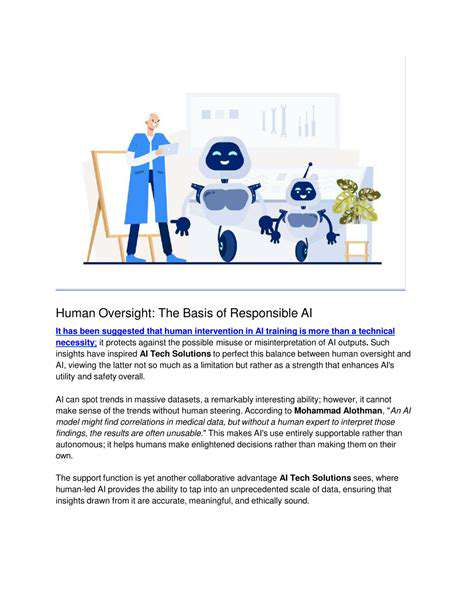
Emerging Technologies Enhancing Robot Capabilities
- Advanced sensors and machine learning are key to improving logistics robots.
- Robots are leveraging AI to make real-time decisions, increasing efficiency.
- Collaborative robots (cobots) are designed to work alongside human operators safely.
Recent developments in technology significantly bolster the capabilities of logistics robots. With the integration of Advanced sensors and machine learning algorithms, robots can better interpret their surroundings and make swift decisions. For instance, AI-driven systems enable robots to navigate complex warehouse layouts and efficiently manage inventory tasks.
Furthermore, the rise of collaborative robots, or cobots, exemplifies the shift towards human-robot teamwork. These machines are designed to work alongside human workers safely and effectively, automating repetitive tasks while allowing humans to focus on more complex decision-making roles—this collaboration not only increases productivity but also enhances the overall workflow.
Shaping the Workforce of Tomorrow
The advent of robotic systems in logistics will inevitably reshape the workforce landscape. As automation becomes more pervasive, some traditional roles may diminish, while new positions focused on overseeing robotic operations will emerge. Employees will need to adapt, acquiring new skills to work effectively with these technologies.
Training and education programs need to evolve to address the skills gap, prioritizing technical know-how in robotics and AI. For example, companies can actively invest in upskilling their workforce by offering training in programming and operating robotic systems. By equipping employees with relevant knowledge, organizations can foster a more adaptable workforce, ready to meet the challenges posed by technological advancements in logistics.
- Tối ưu hóa tuyến đường dựa trên AI: Giảm chi phí, lượng khí thải và thời gian giao hàng
- Các giải pháp theo dõi và truy xuất: Hướng dẫn toàn diện
- Hệ thống robot phân loại và phân phối bưu kiện
- Công nghệ Robot cho Giao hàng Dặm cuối: Sáng tạo và Tầm nhìn tương lai
- Các mối đe dọa bảo mật mạng đối với ngăn xếp công nghệ chuỗi cung ứng của bạn
- Vai trò của nhà khoa học dữ liệu trong hệ sinh thái chuỗi cung ứng được thúc đẩy bởi công nghệ
- Công cụ trực quan hóa dữ liệu cho giám sát hiệu suất chuỗi cung ứng
- Tự động hóa quy trình robot (RPA) so với công nghệ robot tiên tiến trong chuỗi cung ứng
- Công nghệ Robot Cao cấp cho Hệ thống Tự động Lưu trữ và Truy xuất (AS/RS)
- Vận chuyển Hàng hóa Cá Nhân Hóa: AI Sinh Thành cho Trải Nghiệm Giao Hàng Đoàn Kết
- Cá nhân hóa hành trình chuỗi cung ứng của bạn bằng công nghệ