Contents
Assess supply chain challenges through data collection methods like surveys and reports.
Define technology requirements aligned with identified supply chain problems for effective resolution.
Engage stakeholders from all departments to enhance understanding of supply chain needs.
Budgeting critically includes software costs and ongoing maintenance for long-term planning.
Conduct market research to understand target market demographics and preferences effectively.
Utilize mixed research methods for comprehensive insights into customer needs and market dynamics.
Analyze competitors to identify gaps and opportunities within the supply chain landscape.
Collect secondary data to support market research and save resources during analysis.
Use modern technology for real-time insights and better decision-making on vendors.
Establish a structured plan for effective market research to gather relevant insights.
Interpret research results through critical thinking and stakeholder discussions for informed decisions.
Evaluate vendor capabilities, ensuring solutions meet industry-specific challenges effectively.
Assess compatibility with existing systems to ensure seamless integration and efficiency.
Evaluate technical support to ensure timely responses and effective vendor training opportunities.
Understand vendor cost structures to achieve favorable total cost of ownership outcomes.
Review customer feedback and case studies to evaluate vendor performance effectively.
Conduct reference checks to validate vendor claims and gather insights from past clients.
Make final decisions aligned with strategic objectives based on thorough evaluation.
Identify key stakeholders early for successful technology selection and vendor engagement.
Facilitate collaboration through regular check-ins to promote effective communication among stakeholders.
Explore vendor options collectively to ensure comprehensive evaluations based on diverse input.
Understand contract importance for protecting relationships and ensuring supply chain efficiency.
Include key elements in contracts to avoid misunderstandings and manage expectations.
Negotiate contracts with clear strategies to achieve favorable terms through informed discussions.
Finalize vendor selection through due diligence to verify reliability and performance.
Monitor vendor relationships post-contract for compliance and continuous improvement.
Stay informed on supply chain agreement trends like digital tools and sustainability practices.
Identifying Your Supply Chain Needs
Assessing Current Supply Chain Challenges
One of the first steps in identifying your supply chain needs is to accurately assess any existing challenges. Common issues may include delays in delivery, inconsistent quality of materials, or insufficient inventory management. It's critical to gather data on these problems through methods such as surveys, interviews, and analyzing operational reports. For instance, a study by the Institute for Supply Management highlights that 70% of companies experience supply chain disruptions, underscoring the necessity for thorough evaluation.
Additionally, organizations should review historical performance metrics to identify patterns that may indicate recurring issues. Using software analytics tools can provide insights into inefficiencies that may not be immediately apparent. For example, tools like SAP or Oracle can assist in tracking performance and pinpointing trouble areas, ensuring a more targeted approach to resolving them.
Defining Specific Technology Requirements
After thoroughly assessing your current challenges, the next step is to define your specific Technology Requirements. This should be closely aligned with the problems you’ve identified. Are you looking for real-time tracking solutions, inventory management software, or enhanced analytics capabilities? Clearly outlining these needs not only simplifies the vendor selection process but also aids in creating a shortlist of suitable vendors.
Moreover, consider the level of integration needed with your existing systems. According to a report by Gartner, companies that successfully integrate new technologies into their supply chain operations see a 15% increase in operational efficiency. Thus, an evaluation of both hardware and software compatibility is crucial for seamless transitions.
Engaging Stakeholders for Comprehensive Insights
Engaging Key Stakeholders within your organization can greatly enhance your understanding of supply chain needs. This may involve discussions with procurement, logistics, IT, and even sales personnel, as each department holds valuable insights into different aspects of the supply chain. For instance, sales may have a unique perspective on customer demand fluctuations that logistics must accommodate.
Furthermore, conducting workshops or collaborative meetings can facilitate open communication, fostering a culture of teamwork. A study by McKinsey suggests that organizations that actively involve employees in decision-making processes are 10% more likely to meet their project goals. Therefore, leveraging diverse expertise will provide a more rounded view and help in specifically articulating technology requirements.
Ultimately, the collective input from these discussions will serve as a foundational element in selecting the right vendor for your technology needs.
Budget Considerations and Financial Planning
Budgeting for supply chain technology is a critical aspect that cannot be overlooked. It’s essential to not only consider the initial costs for software or equipment but also the ongoing expenses associated with maintenance, training, and potential upgrades. Conducting a cost-benefit analysis can provide deeper insights into the long-term financial implications of your technology decisions.
Additionally, consider the return on investment (ROI) for potential technologies by analyzing case studies from similar industries. According to a report from Deloitte, companies that implement advanced supply chain technologies see up to a 25% reduction in costs over five years. This type of research can help frame your budgetary discussions and justify expenditures to upper management.
Moreover, it may be beneficial to explore funding options or incentives at governmental or local levels, which can ease financial constraints and support advancements in your supply chain processes.
Conducting Market Research
Understanding Your Target Market
Before diving into market research, it’s crucial to *Understand your target market thoroughly*. Identify the demographics, purchasing behaviors, and preferences of your ideal customers. This data not only helps in selecting the right vendors but also in devising a supply chain strategy aligned with market dynamics and end-user expectations.
Utilizing tools like surveys and focus groups can provide insights into customer needs. *These qualitative insights allow businesses to understand not only what customers need but also why they prefer certain products or services*, setting the foundation for informed vendor selection.
Choosing the Right Research Methods
- Qualitative methods for deeper insights
- Quantitative measures for statistical reliability
- Combining methods for a comprehensive view
When conducting market research, the choice of research methods is paramount. Qualitative research, such as interviews, can provide insights into customer motivations and pain points. In contrast, quantitative approaches, such as surveys, help in collecting numerical data that can be analyzed for trends. *A mixed-method strategy often yields the best results*, offering a well-rounded perspective that aids in vendor selection.
Analyzing Competitors’ Performance
Understanding your competitors provides critical context during market research. By analyzing their supply chain management and technologies, businesses can pinpoint areas of opportunity and identify gaps within the market. *Key performance indicators like delivery times, costs, and customer satisfaction ratings* should be considered, as they provide valuable benchmarks against which to measure your own operations.
Collecting Secondary Data
Secondary data serves as a foundational layer in market research. Utilizing existing research reports, industry studies, and academic papers can save time and resources while augmenting your understanding of the market landscape. *Resources like the National Retail Federation's annual reports and Gartner's technology insights can be invaluable* in providing industry benchmarks and trends relevant to vendor selection.
Utilizing Technology for Insights
Modern research tools have made it easier to gather and analyze market data. Technologies such as data analytics software and customer relationship management (CRM) systems enable real-time insights, helping ensure that decisions are made based on the latest information. *For example, platforms like Tableau or Google Analytics allow businesses to visualize trends, which can significantly aid in evaluating potential vendors.*
Building a Research Plan
Creating a structured research plan is essential for effective market research. Your plan should outline objectives, methodologies, timelines, and expected outcomes. It’s advisable to prioritize activities based on relevance and potential impact on vendor selection. *By having a clear roadmap, you'll avoid wasting resources on unnecessary data collection and focus on what truly informs your decisions.*
Interpreting Research Results
Once data is collected, the next step is interpretation. *Drawing insights from the data requires a combination of critical thinking and contextual knowledge*. It’s not just about finding what the numbers say but also understanding the implications of those findings on your vendor selection strategy. Discussions with stakeholders can help frame the data in a broader context, leading to more informed and consensus-driven decisions.
Evaluating Vendor Capabilities and Compatibility

Understanding Vendor Capabilities
When evaluating Vendor Capabilities, it’s crucial to dissect their technology offerings. A vendor's experience in your specific industry can be a strong indicator of their ability to deliver the required solutions. Firms with a track record in your sector tend to understand its unique challenges, making them more adaptable. Additionally, assessing their technological infrastructure—such as cloud compatibility, data security measures, and system integrations—can provide key insights into their operational readiness.
Moreover, investigating the scalability of their solutions is vital. As your business grows, your tech needs may evolve, and compatible vendors should offer flexible solutions that can expand as necessary. It's worth asking for case studies or testimonials from existing clients to see how well their systems have adapted over time.
Assessing Compatibility with Existing Systems
Compatibility with your current systems cannot be overlooked. It’s essential to ensure that any new technology will integrate seamlessly into your existing ecosystem. This typically involves analyzing APIs (Application Programming Interfaces) and data exchange formats. Inadequate integration can lead to disruptions and inefficiencies. Thus, requesting technical documentation from potential vendors can provide clarity on how their systems communicate with your established platforms.
Furthermore, technical support capabilities play a significant role in this compatibility assessment. How a vendor supports its products, including ongoing maintenance and troubleshooting, can greatly influence implementation success.
- Evaluate API compatibility for smooth data interchange.
- Request technical documentation for better understanding.
- Understand the vendor's support structure to ensure smooth operation.
Evaluating Technical Support and Responsiveness
Once a vendor's capabilities and compatibility aspects have been thoroughly examined, the next focus should be on their customer support. This includes assessing the channels through which support is provided. Some vendors offer 24/7 support, while others may have limited hours which could hinder your operations in critical situations. Timeliness is crucial in vendor responses, especially for urgent issues. Thus, reviewing vendor service level agreements (SLAs) can offer insights into expected response times during various scenarios.
Moreover, understanding their training offerings can also enhance the solution's effectiveness. Vendors that provide in-depth training enable your team to utilize the technology efficiently, leading to better return on investment (ROI). Check if they have resource centers or community forums as well, which can be invaluable for quick troubleshooting and knowledge sharing.
Exploring Cost Structures and Financial Stability
An essential part of vendor evaluation is understanding their cost structure. Be sure to get a comprehensive pricing breakdown that includes initial costs, recurring fees, upgrades, and any hidden charges. This transparency will help you gauge total cost of ownership (TCO). Balancing quality with cost is key for a robust selection process.
Additionally, assessing a vendor's Financial Stability is crucial. A vendor that may be struggling financially could risk discontinuing support or going out of business, which would leave you in a lurch. Industry reports and financial statements can provide critical insight into their stability and long-term viability.
Reviewing Customer Feedback and Case Studies
Reading customer reviews can offer a realistic view of vendor performance. Look for feedback across multiple platforms, and pay attention to trends in the comments. For instance, frequent mentions of missed deadlines could be a red flag. Common sentiments about customer service responsiveness also offer valuable insights into how a vendor operates under pressure.
Case studies are also a powerful tool in this assessment phase. They provide concrete examples of how a vendor has successfully addressed challenges within companies similar to yours. By analyzing these situations, you can assess whether their approach aligns with your needs and expectations.
Conducting Reference Checks
Conducting thorough reference checks is one of the most effective strategies for validating a vendor's claims. Speak directly to current and former clients about their experiences with the vendor. It's better to inquire about specific aspects like implementation speed, ongoing support, and the effectiveness of training provided.
Additionally, an interview or questionnaire can elicit insightful information that may not be visible through case studies or testimonials. Formulating the right questions can guide you in uncovering how responsive and reliable the vendor truly is.
Making the Final Decision
After an extensive evaluation of all the aforementioned factors, you should be at a point where you can confidently make a decision. It’s essential to weigh all elements, particularly those that align closely with your strategic objectives. Don’t forget to review your initial requirements and ensure they match with the vendor’s offerings.
Finally, remember that the selection process does not end with the signing of a contract. Establishing a collaborative relationship based on continuous evaluation and feedback will ensure ongoing alignment and success. Each vendor relationship can evolve, and keeping communication channels open will enhance partnership productivity.
Involving Stakeholders in the Decision-Making Process
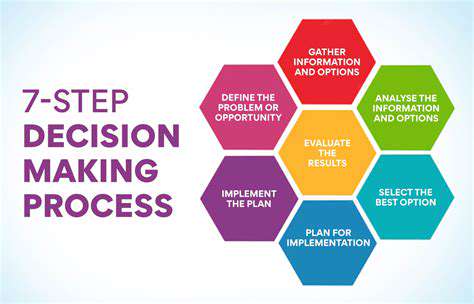
Identifying Key Stakeholders in the Decision Process
Before diving into technology selection, it's essential to determine who the key stakeholders are in your organization. Typically, these can include department heads, IT personnel, finance executives, and supply chain managers. Engaging with each group provides insights into specific requirements and pain points that must be addressed during the vendor selection process.
A thorough stakeholder analysis can dramatically improve the outcomes of your technology initiatives. For example, while the IT department may prioritize system compatibility and security features, the finance team might focus on cost-effectiveness and budget adherence. Understanding these distinct perspectives allows for a more nuanced approach in gathering input for decision-making.
- Identify and engage key stakeholders early in the process.
- Gather insights from diverse functions within the organization.
- Understand the specific needs and priorities of each group.
Facilitating Effective Collaboration and Communication
Once key stakeholders are identified, establishing regular check-in meetings is crucial for fostering collaboration. Methods such as inter-departmental workshops or brainstorming sessions can facilitate open communication. In these settings, stakeholders can express their views, ask questions, and provide feedback on potential technology solutions.
Creating a Transparent Communication channel promotes trust and buy-in among stakeholders. Using project management tools can help track conversations and decisions, ensuring everyone stays on the same page. This structured approach not only makes stakeholders feel valued but also increases the likelihood that the selected technology will meet the collective expectations.
Evaluating Alternatives Through Collective Input
After gathering input, it’s time to explore different vendor options. Involving stakeholders in evaluating potential vendors ensures a comprehensive review of capabilities and performance metrics. This collaborative evaluation can take the form of scoring matrices, where each stakeholder rates the vendors based on agreed-upon criteria.
Real-world examples have shown that organizations inclusive of diverse input often discover solutions they might have overlooked when relying solely on a few decision-makers. This collective approach leads to a well-rounded assessment of technology alternatives, minimizing the risk of a poor investment. Conducting demonstrations or pilot projects can also be a proactive way to gain hands-on experience with the technology before making a final decision.
Negotiating Contracts and Finalizing Selection
Understanding the Importance of Contracts
Contracts are not just legal formalities; they are foundational elements that protect both parties in Vendor Relationships. Each contract stipulates the responsibilities, expectations, and deliverables required, providing a clear roadmap for the collaboration. This clarity helps mitigate misunderstandings that could escalate into significant disputes.
Moreover, a robust contract can significantly impact your Supply Chain Efficiency. According to a study by the International Journal of Supply Chain Management, businesses that invest time in crafting detailed contracts experience a 30% decrease in operational conflicts. This evidence underscores the wisdom in devoting resources to the negotiation process.
Key Elements to Include in Contracts
When creating a contract, there are several critical elements that demand attention. First and foremost, clearly defined scope and deliverables are vital. Without precise definitions, vendors can misinterpret their responsibilities, leading to subpar outcomes. It’s also crucial to establish timelines for deliverables to ensure accountability.
Additionally, consider including a clause that outlines dispute resolution methods. With tensions sometimes inevitable, stating upfront how disagreements will be managed can save time and resources down the line. Lastly, don't overlook the importance of confidentiality agreements, especially when dealing with proprietary information.
Negotiation Strategies for Favorable Terms
Approaching the negotiation table with a clear strategy is essential for achieving beneficial terms in your vendor contracts. One effective technique involves identifying your must-haves and nice-to-haves prior to negotiations. This prioritization allows you to remain flexible while not compromising on critical aspects.
Moreover, entering negotiations with data can help substantiate your demands. For instance, if you’re disputing pricing, having industry benchmarks or similar market analyses at your disposal will enable you to argue your case effectively. Remember, negotiation is often about finding a middle ground; aim for win-win outcomes rather than a zero-sum mentality.
Finalizing Vendor Selection with Due Diligence
Once contract terms are agreed upon, it’s time to finalize your selection process, and this should not be rushed. Due diligence plays a critical role in verifying a vendor's capabilities and reliability. Check references and previous case studies to gauge past performance.
Moreover, evaluating the vendor’s financial stability is key, especially for long-term engagements. A thorough review of their financial health can prevent future disruptions in your supply chain. In the end, choosing wisely at this stage will yield benefits long after the contracts are signed.
Post-Contract Monitoring and Relationship Management
After signing a contract, the relationship with your vendor must not be neglected. Continuous monitoring of performance against the criteria established in the contract is essential. Regular check-ins can help identify any deviations from the agreement and facilitate prompt corrective actions.
Additionally, nurturing relationships will enhance collaboration. As noted by the Supply Chain Management Review, organizations that focus on relationship management report over a 20% improvement in operational outcomes. Engaging with your vendors through feedback loops cultivates trust and aligns goals for better overall synergy.
Future Trends in Supply Chain Agreements
The landscape of supply chain agreements is evolving, influenced by technological advancements and shifting market dynamics. Emerging trends suggest an increasing reliance on digital tools for contract management. Solutions powered by artificial intelligence and blockchain technology can enhance transparency and reduce disputes.
Furthermore, companies are increasingly prioritizing sustainability in their agreements. As environmental concerns grow, incorporating clauses that promote ethical practices not only fulfills corporate social responsibility but also aligns with consumer expectations. Staying ahead of these trends will position your organization as a progressive leader in supply chain management.
- Beste Praktiken zum Baden Ihres Hundes zu Hause
- Wesentliche Gesundheitsüberwachungstechniken für ein besseres Wohlbefinden
- Jenseits menschlicher Grenzen: Die Zukunft der Robotik in der Lieferkette
- Warum ist die Lieferketten-Rückverfolgbarkeit heute so wichtig?
- Blockchain für transparentes und sicheres Zahlungsabwicklung
- Robotik für automatisierte Cross-Docking-Operationen
- API-Integration für einen nahtlosen Datenfluss in der Lieferkette
- KI-basierte Routenoptimierung: Kosten und Emissionen reduzieren