In conclusion, embracing AI technologies in workforce management is no longer optional but rather a necessity for sustainable growth. Organizations that effectively integrate predictive analytics and automation into their operations are well-positioned to outperform their competition. By remaining mindful of the challenges and opportunities that AI presents, companies can ensure a more resilient and adaptive workforce structure.
Future-ready organizations will prioritize investments in training and development, fostering an environment that encourages innovation while affirming the critical value of human input. The careful implementation of AI can lead to a well-balanced synergy between human capabilities and technological prowess.
Case Studies: Success Stories of AI Implementation in Warehousing
Revolutionizing Inventory Management
- AI-driven systems optimize stock levels to enhance overall efficiency.
- Real-time data analytics enables predictive restocking and demand forecasting.
- Streamlined operations lead to reduced labor costs and improved service delivery.
The integration of AI in inventory management has transformed traditional practices, enabling companies to effectively utilize real-time data for enhancing stock levels. With AI algorithms analyzing historical data and predicting future demand, warehouses can better align their inventory with market needs. This proactive approach not only reduces excess stock but also mitigates the risk of stockouts, ensuring operational smoothness.
Furthermore, AI systems can automate the reorder process, minimizing the delays that typically accompany manual inventory checks. By proactively suggesting when to restock or discontinue items based on predictive analytics, companies can maintain optimal inventory levels and thereby save costs. As a result, firms can achieve Significant improvements in service delivery and customer satisfaction.
Enhancing Layout Optimization
The deployment of AI for warehouse layout optimization has also demonstrated significant benefits. By utilizing machine learning algorithms, companies can analyze workflow patterns and adjust the layout accordingly for maximal efficiency. For example, a logistics company reported a 30% reduction in travel time for warehouse staff after implementing AI-driven layout adjustments. This optimization leads to faster order fulfillment and enhanced productivity.
Moreover, AI-driven simulations can test various layout configurations before implementation. This predictive approach allows warehouses to make informed decisions about where to place high-demand items to minimize picking time. By dynamically adjusting layouts based on real-time data and trends, companies ensure that their operations remain agile and responsive to changes in order volume or product mix. Investing in such technologies can keep businesses ahead of the competition in a fast-paced market.
Real-World Case Studies: Success in Action
Several companies have successfully integrated AI into their warehouse operations, showcasing the potential of this technology. For instance, a leading retailer employed AI tools to analyze customer purchasing patterns and optimize their stock placement, resulting in a notable 25% increase in order fulfillment speed. These improvements validate the increasing reliance on predictive analytics in decision-making processes.
In another case, a multinational logistics provider leveraged AI to forecast demand and adapt its operations accordingly. It was reported that their forecast accuracy improved to over 90%, which enabled them to minimize holding costs and increase service levels. This success emphasizes the value of investing in AI infrastructure to support and enhance warehousing capabilities effectively.
These examples showcase not just the effectiveness of AI but also highlight a trend that is rapidly becoming industry standard. As businesses face growing pressure to optimize operations and meet customer expectations, those deploying AI in warehousing are likely to see significant returns on investment in the coming years. Ultimately, these case studies illuminate the path forward for many organizations still contemplating such transitions.
Challenges and Future Outlook
Overcoming Data Integration Challenges
- Data silos hinder real-time decision-making.
- Different systems may not communicate effectively.
- Integration requires significant investment in technology.
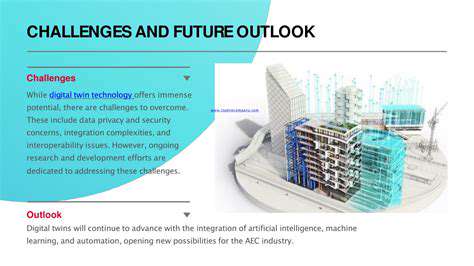
One of the primary challenges in optimizing warehouse operations with AI is the integration of various data sources. Often, organizations operate in silos, where logistical, operational, and inventory data are stored in separate systems. This fragmentation makes it difficult to gain a holistic view, which is critical for predictive analytics.
Additionally, different technologies and platforms can present compatibility issues. Organizations might find themselves faced with substantial costs as they attempt to harmonize disparate systems. Investing in middleware solutions or adopting unified platforms can mitigate these challenges, but they require both time and resources.
Staff Training and Acceptance
Implementing AI in predictive warehouse operations necessitates that employees are well-versed in using new technologies. This makes it essential for organizations to invest in comprehensive training programs. Often, resistance to change can dramatically hinder progress, as staff may feel threatened by the uncertainty that such innovations bring.
Moreover, organizations should adopt a collaborative approach when introducing AI solutions. Involving staff in the decision-making process and offering clear communication about the benefits can improve acceptance and reduce anxiety. Emphasizing how AI can enhance their roles rather than replace them will help foster a more positive reception.
For instance, a study by the McKinsey Global Institute revealed that companies Investing in employee training saw a 20% increase in operational efficiency. This statistic highlights the importance of equipping staff with necessary skills as AI becomes more embedded in daily operations.
The Path Forward: Embracing AI Innovations
As the logistics industry evolves, embracing AI for predictive warehouse operations and layout optimization will be non-negotiable. The advent of technologies like machine learning and IoT has opened a plethora of opportunities for predictive analysis. These innovations can enhance inventory management, mitigate waste, and optimize space allocation effectively.
To stay competitive, organizations must reconsider traditional approaches and embrace new AI-driven methodologies. This could involve refining layout designs based on predictive insights derived from data analysis improving overall workflow. Looking ahead, firms that adapt to these changes will not only enhance operational efficiency but also significantly boost customer satisfaction and loyalty.
Companies should consider pilot programs as a way to test AI applications without committing fully to a large-scale implementation. A phased approach allows for adjustments based on initial outcomes, ultimately leading to a more informed and tailored full-scale deployment.