IoT for monitoring energy consumption in warehouses
Once the data is collected through IoT devices, sophisticated analytics platforms come into play. These platforms can process and interpret large volumes of data, revealing trends and anomalies that might otherwise be missed. For instance, if certain machinery operates inefficiently during specific times, this insight can prompt immediate corrective actions. Analytics can also forecast future energy needs, which supports more strategic planning and purchasing decisions.
3. Real-Time Monitoring and Alerts
Another significant advantage of IoT integration is the ability to provide real-time monitoring and alerts. Modern warehouse management systems can send notifications when energy usage spikes beyond expected levels. This allows facility managers to respond quickly to unforeseen circumstances, such as equipment malfunctions that lead to wasteful energy consumption. Such proactive measures can significantly enhance a facility's operational responsiveness and adaptability.
Having this real-time capability means warehouses can maintain tighter control over their energy expenditure, making it easier to budget accurately and plan for the future. It also allows for constant reevaluation of energy strategies to ensure they are aligned with organizational goals.
4. Case Studies: Successful IoT Implementation
Examining successful case studies can offer valuable insights into effective IoT implementation. For instance, a large-scale logistics company adopted IoT technologies to monitor energy consumption across all its facilities. They reported a remarkable 25% reduction in energy costs within the first year, primarily through better monitoring and real-time adjustments based on analytics. Such results highlight the potential return on investment for organizations considering IoT technology.
Another example involves a retail giant that integrated IoT sensors with its HVAC systems. By analyzing the energy usage data, they managed to reduce cooling costs significantly during non-peak hours. These practical applications can guide warehouses in planning and executing their IoT strategies while setting realistic benchmarks for success.
5. Future Trends in IoT and Energy Efficiency
The future of IoT in warehouse energy management seems promising, with development trends leaning towards enhanced automation and machine learning. Advanced algorithms will likely predict energy consumption patterns with increasing accuracy, allowing for even finer adjustments to operations. Additionally, greater integration with renewable energy sources is expected as companies strive for sustainability.
This trend towards smarter warehouses will not only help reduce energy costs but will also align industry practices with environmental concerns advocated by consumers. Embracing these innovations may soon become essential for companies wishing to maintain competitive advantages.
6. Conclusion: Embracing IoT for Sustained Energy Savings
To summarize, the integration of IoT technologies in warehouse environments represents a crucial step in monitoring and managing energy consumption effectively. By harnessing real-time data, analytics, and automation, warehouses can not only reduce costs but also play a significant role in broader sustainability initiatives. Companies that proactively adopt IoT Solutions are more likely to stay competitive in a rapidly evolving industry landscape.
Moving forward, it is vital for organizations to continuously evaluate their energy strategies and integrate innovative technologies to ensure efficiency. By doing so, they can establish a sustainable framework for the future while fostering a culture of continuous improvement and innovation.
Benefits of Real-Time Energy Monitoring
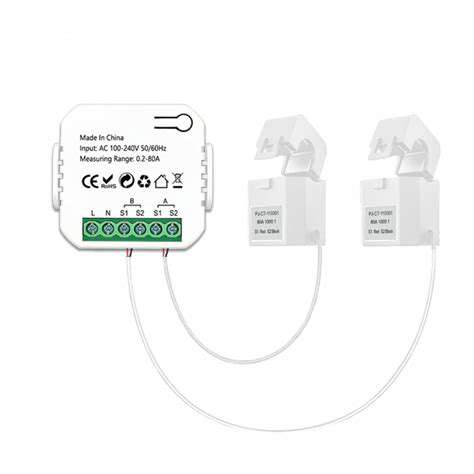
Enhanced Operational Efficiency
One of the primary benefits of Real-time energy monitoring is the significant contribution it makes to operational efficiency. By continuously tracking energy consumption, businesses can identify patterns that indicate inefficiencies. For instance, if a warehouse uses more energy during specific hours, it gives operators insights into when to optimize their processes. This kind of monitoring helps in making informed decisions that can lead to reduced energy costs.
Additionally, real-time data enables quick responses to any anomalies in energy usage. An unexpected spike can indicate equipment malfunction, prompting immediate investigation and mitigation. Proactive measures not only save money but also extend the lifespan of appliances and tools. By regularly assessing equipment performance, warehouses can ensure they are operating at optimal levels.
Data-Driven Insights for Strategic Planning
- Real-time monitoring aids in identifying long-term consumption trends.
- Data analytics allows for better forecasting and planning for energy use.
- Understanding seasonal patterns can lead to smarter stock management.
Through comprehensive data analysis, warehouse managers can glean valuable insights into their energy consumption trends. For example, comparing real-time data against historical insights can pinpoint areas ripe for improvement. This ability to forecast energy needs during peak seasons can facilitate more effective resource allocation. By planning ahead, businesses can avoid potential energy shortages and ensure a smoother operation.
Environmental Impact and Sustainability Goals
In today's eco-conscious market, reducing energy consumption is a significant goal for many businesses. Real-time energy monitoring supports sustainability by enabling warehouses to actively track their carbon footprint. Companies can make decisions that positively impact their environmental goals. For instance, utilizing energy-efficient practices and technologies pays dividends not only financially but also reputationally. The positive changes resonate well with customers and stakeholders alike.
Moreover, understanding energy usage through real-time monitoring allows companies to adopt renewable energy sources more effectively. Implementing solar panels or wind energy becomes easier when there is clarity on energy consumption patterns. Through such progressive strategies, warehouses not only enhance their operational capabilities but also contribute to a sustainable future.
Data Analytics and Predictive Maintenance
Understanding Data Analytics in Maintenance
Data analytics plays a crucial role in Predictive Maintenance by transforming raw data into actionable insights. This involves collecting data from various sources, such as sensors on machinery and energy consumption metrics. Analyzing this data can help identify patterns that predict when equipment is likely to fail or underperform.
Utilizing advanced analytics tools, businesses can leverage historical performance data to improve maintenance schedules. This process reduces unexpected breakdowns, thereby minimizing downtime and optimizing operational efficiency. In warehouses, where equipment reliability is key to maintaining productivity, this approach is invaluable.
Benefits of Predictive Maintenance
One of the primary benefits of predictive maintenance is cost savings. By detecting issues early through Data Analytics, companies can avoid costly repairs and extend the life of their equipment. According to a study by McKinsey & Company, organizations that implement predictive maintenance can reduce maintenance costs by up to 25%.
Additionally, predictive maintenance enhances safety for warehouse workers. When equipment operates at peak efficiency, the likelihood of accidents due to malfunction decreases. Ultimately, this leads to a healthier workplace environment, free from the hazards associated with equipment failure.
Implementing IoT for Energy Monitoring
Integrating IoT devices within warehouse environments allows for real-time monitoring of energy consumption. Smart sensors collect data regarding energy use patterns, enabling analytics platforms to process this information actively. These IoT applications can identify spikes in energy usage, helping warehouse managers to adjust operations for efficiency.
Moreover, implementing energy monitoring through IoT not only optimizes energy consumption but also supports sustainability initiatives. By minimizing wasted energy, facilities can contribute to environmental goals while reducing utility costs simultaneously.
In practice, setting up IoT devices requires planning, but the returns on investment can be substantial. Companies should carefully consider the types of sensors and analytics platforms that best fit their specific operational needs.
Challenges in Data Analytics and Maintenance
Despite the advantages, companies often face challenges when integrating data analytics within their maintenance operations. One significant hurdle is data management; with vast amounts of data generated from IoT devices, businesses must have effective systems in place to store and analyze this information.
Additionally, many organizations lack the skilled personnel necessary to interpret the data and apply it meaningfully. Training existing staff or hiring skilled analysts can be a financial burden, but is essential for the success of predictive maintenance initiatives. A strategic approach to employee development can mitigate this issue over time.
Case Studies and Real-World Applications
Numerous companies have successfully implemented predictive maintenance through IoT and data analytics. For instance, a major logistics company reduced its equipment failure rate by using IoT sensors to monitor machinery health, allowing for timely maintenance interventions based on actual data rather than assumptions.
Another example includes a warehouse that utilized analytics to monitor energy consumption. By analyzing trends, they were able to save up to 15% on energy costs by identifying periods of inefficiency and adjusting operations accordingly.
Future Trends in Predictive Maintenance
The future of predictive maintenance in warehouses is promising, with advancements in artificial intelligence and machine learning driving innovation. These technologies facilitate the development of more sophisticated models that can predict equipment failures with higher accuracy based on evolving data sets.
As IoT devices become more prevalent and affordable, smaller warehouses can also benefit from predictive maintenance. The continuous improvement of data analytics tools means more businesses can access insights that were previously confined to larger enterprises, leveling the competitive playing field.
Conclusion and Suggested Strategies
In conclusion, the integration of data analytics and predictive maintenance through IoT in warehouse settings presents both opportunities and challenges. To fully capitalize on these innovations, warehouse managers should start with a clear understanding of their data and devise a strategy for analytics implementation.
Moreover, investing in employee training and the necessary technology is crucial. Organizations that prioritize these areas will be better positioned to reduce costs, enhance safety, and improve overall operational efficiency in their energy management and maintenance processes.
Enhancing Sustainability Efforts through IoT
Understanding IoT's Role in Energy Monitoring
The Internet of Things (IoT) plays a pivotal role in revolutionizing how warehouses manage their energy consumption. By incorporating smart devices and sensors, warehouses can track real-time energy use, making it easier to identify patterns and inefficiencies. This technology not only provides visibility but also enables proactive measures to mitigate unnecessary energy expenditures.
Recent studies illustrate that Walsh & Associates reported a 30% reduction in energy costs when warehouses implemented IoT-based monitoring systems. This shift is not just a trend; it's a necessary adaptation for businesses striving to reduce their carbon footprint while maximizing operational efficiency.
Real-Time Data Collection and Analysis
Real-time data collection is an essential feature of IoT systems. Sensors installed throughout a warehouse collect vast amounts of information regarding energy consumption, temperature, and equipment performance. This data is relayed to centralized dashboards, allowing facility managers to visualize energy trends and identify anomalies quickly.
Using machine learning algorithms, warehouses can analyze this data to predict future energy usage, optimizing schedules and reducing peak demand costs. Implementing such advanced analytics ensures a more robust energy management strategy.
Additionally, continuous data flow allows for predictive maintenance, ensuring that equipment runs efficiently and consumes minimal energy. Such practices not only extend the life of machinery but also contribute to sustainability goals.
Integrating Renewable Energy Sources
Many warehouses are now looking to integrate renewable energy sources, such as solar or wind power, into their operations. IoT devices can help monitor the performance of these renewable installations, ensuring they contribute optimally to the warehouse's energy needs. A hybrid approach, utilizing both traditional and renewable sources, can lead to significant savings and reduced environmental impact.
By synchronizing energy usage with periods of peak renewable generation, warehouses can drastically reduce reliance on non-renewable energy sources, further enhancing their sustainability initiatives.
Case Studies of Successful Implementations
Examining case studies of successful IoT implementations offers valuable insights into best practices. For instance, a warehouse operated by Home Depot has effectively utilized IoT technologies to reduce energy consumption by installing sensors that monitor lighting and HVAC systems. This case showcases a clear ROI, with a payback period of less than two years.
In contrast, a refrigerated storage facility under the management of Lineage Logistics adopted IoT-driven solutions to maintain temperature control effectively. This innovation has led to decreased energy costs and ensured compliance with regulatory standards, demonstrating the system’s multifaceted benefits.
Cost-Benefit Analysis of IoT Investments
Evaluating the return on investment (ROI) for IoT systems in energy management requires careful cost-benefit analysis. Initial investments can vary widely based on the complexity of the system, but the average warehouse may see a payback period between 18 to 36 months. Factors contributing to monetary benefits include reduced energy bills, lower maintenance costs, and minimized waste.
Additionally, the indirect benefits, such as improved regulatory compliance and enhanced brand reputation, add to the value proposition of IoT systems. As sustainability becomes increasingly critical in operational strategies, these considerations must be part of the comprehensive business case for IoT adoption.
Challenges in IoT Adoption for Energy Management
Although the benefits of IoT for energy management in warehouses are compelling, several challenges could hinder successful adoption. For example, the integration of existing systems with new IoT devices can be complex, requiring significant time and resources. There might also be interoperability issues between different technologies and platforms that need to be addressed.
Moreover, workforce training is essential to support this technological shift. Employees need to be equipped with the knowledge and skills to leverage IoT tools efficiently; failure to provide adequate training may result in underutilization of the technology.
Lastly, concerns regarding cybersecurity cannot be overlooked. Warehouses must ensure strong security protocols are in place to prevent vulnerabilities associated with increased connectivity.
The Future of IoT in Energy Management
The future of IoT in energy management within warehouses is promising. With ongoing advancements in AI and machine learning, companies can expect even more sophisticated insights into energy consumption patterns and further automation of control systems. Predictive analytics will continue to improve, offering businesses unparalleled foresight into energy needs.
As regulatory pressures around sustainability grow, there will be an increasing incentive for businesses to invest in IoT solutions. Ultimately, the integration of these technologies will not only enhance operational efficiency but also contribute to long-term sustainability goals. Embracing this digital transformation is not just beneficial; it's soon to be vital for competitive advantage.
Implementing IoT Solutions for Energy Monitoring
Understanding IoT and Its Role in Energy Management
The Internet of Things (IoT) refers to the interconnected network of devices capable of collecting and exchanging data. In energy management, IoT enables real-time monitoring of energy consumption, leading to optimized usage and cost savings. By integrating smart meters and sensors, warehouses can glean insights into energy patterns that were previously difficult to detect.
In fact, a report by McKinsey indicates that adopting IoT solutions in energy monitoring can reduce operational costs by up to 30% over time. Such substantial savings highlight the importance of smart energy management for warehouses aiming to remain competitive in today’s market.
Benefits of IoT Solutions in Warehouses
Implementing IoT technologies can significantly enhance operational efficiency. Smart systems allow for immediate adjustments based on real-time data, which can help prevent energy waste. In a typical warehouse setting, this translates into being able to manage heating, cooling, and lighting systems more effectively.
Moreover, predictive analytics, powered by IoT, can forecast energy usage and require maintenance schedules, thereby minimizing disruptions. This proactive approach often leads to a longer life for equipment and increased reliability in daily operations, which can ultimately drive profit margins higher.
Key Technologies for Energy Monitoring
Several technologies form the backbone of IoT implementations. Advanced sensors, energy management software, and cloud-based platforms work together to supply vital information about energy use. For example, smart energy meters provide detailed consumption data that can be analyzed for trends and irregularities.
Additionally, wireless communication protocols like Zigbee and LoRa are critical in transmitting data from devices to the central system efficiently. Using these technologies together ensures seamless data flow and allows for timely decision-making based on accurate energy usage analytics.
Challenges in Implementing IoT Solutions
While the benefits are significant, there are also challenges to consider. Security remains a foremost concern for many businesses; with more devices connected, the risk of cyberattacks increases. Thus, implementing robust cybersecurity measures is non-negotiable.
Another challenge lies in the integration of new systems with legacy systems. Many warehouses operate on outdated infrastructures, and bridging the gap between old and new technologies requires careful planning and investment, potentially leading to delays in deployment.
Case Studies of Successful Implementations
Looking at real-world examples can shed light on the practical benefits of IoT. For instance, a large retailer reported a 25% reduction in energy costs after integrating IoT solutions in their distribution centers. They utilized smart sensors to optimize their heating and lighting based on occupancy and weather conditions.
Another case involves a logistics company that deployed an IoT system for comprehensive monitoring of its refrigeration units. This solution not only ensured compliance with food safety standards but also led to savings of over $100,000 annually due to enhanced energy efficiency.
Future Trends in IoT Energy Monitoring
The future of IoT in energy monitoring looks promising. Emerging technologies like AI and machine learning are expected to offer even more advanced analytics that can drive smarter energy management decisions. These tools will enable warehouses to automate energy optimization processes further, creating a more sustainable operational framework.
Additionally, as renewable energy sources become increasingly integrated into the grid, IoT will play a crucial role in managing these fluctuating inputs, allowing warehouses to harness green energy effectively while maintaining cost efficiency.