Catalog
Real-time visibility enhances tracking of perishable goods in supply chains.
Advanced technologies like RFID and IoT improve supply chain efficiency.
Real-time systems can reduce food waste by up to 50%.
Challenges include high costs and employee training for new technologies.
Case studies show successful real-time visibility implementations reducing spoilage.
Future trends include AI and blockchain for predictive analytics and transparency.
Data integration and accuracy are crucial for effective real-time visibility.
Environmental monitoring is essential to prevent spoilage of perishables.
Collaboration among stakeholders enhances real-time data sharing in supply chains.
Customer expectations for transparency are driving competitive advantages in the market.
The Importance of Real-Time Visibility
Understanding Real-Time Visibility in Supply Chains
Real-time visibility refers to the capability of tracking and monitoring the location and condition of perishable goods throughout the supply chain. This level of oversight can significantly mitigate risks associated with spoilage, theft, or logistical delays. For businesses dealing with perishable items, implementing advanced tracking systems allows stakeholders to respond to unforeseen challenges more promptly.
According to a report by the Council of Supply chain management Professionals (CSCMP), organizations that adopt real-time tracking report a 30% reduction in waste attributed to spoilage. This data underscores the economic advantages of integrating cutting-edge visibility tools into supply chain operations. It becomes essential to understand how these tools can enhance operational efficiency and responsiveness.
Technologies Enabling Real-Time Tracking
To achieve real-time visibility, businesses often deploy technologies such as RFID (Radio Frequency Identification), IoT (Internet of Things), and GPS tracking. RFID technology provides automatic identification and data capture, crucial for monitoring conditions like temperature and humidity that are critical for food safety. IoT devices can relay data in real time, allowing stakeholders to track perishables from the point of origin to the final destination.
Incorporating these technologies not only streamlines communication between suppliers, distributors, and retailers but also ensures compliance with safety regulations. For example, real-time temperature monitoring systems can alert Supply chain managers if perishables have been exposed to unfavorable conditions, enabling corrective actions before losses occur.
Furthermore, cloud-based platforms have emerged as key enablers for data sharing, making it easier for different parts of the supply chain to access and analyze pertinent information instantaneously, thereby enhancing overall coordination.
The Impact on Waste Reduction
Implementing real-time visibility systems can lead to notable reductions in food waste, which is a significant concern globally. The Food and Agriculture Organization (FAO) estimates that approximately one-third of all food produced worldwide is wasted, often during transportation and storage. With real-time monitoring, companies can closely track inventory levels and the status of shipments, making it possible to optimize routes and minimize delays.
Estimates suggest that businesses with real-time visibility can decrease spoilage by up to 50%. By addressing issues such as improper handling and unsuitable storage conditions in real time, supply chains can operate more efficiently, significantly reducing costs associated with waste. This isn't just about saving money; it’s about contributing positively to sustainability efforts and establishing a more responsible operational model.
Challenges in Implementing Real-Time Visibility
Despite its advantages, several challenges can impede the implementation of real-time visibility systems. These include high initial costs, complex integration processes, and the need for ongoing maintenance. Many organizations may hesitate to invest in such technologies without a clear understanding of return on investment (ROI). For smaller businesses, allocating resources toward high-tech visibility solutions can seem daunting.
Moreover, training employees to effectively use new technologies is essential for a successful transition. Without adequate training and buy-in from all stakeholders, even the most sophisticated systems can fail to deliver expected results. It's imperative for companies to conduct thorough assessments and pilot programs before rolling out full-scale visibility solutions.
Additionally, data privacy concerns can arise with increased data collection and sharing, requiring organizations to establish rigorous protocols to protect sensitive information.
Case Studies Highlighting Successful Implementations
Several companies have successfully integrated real-time visibility tools, showcasing the benefits and insights gained from these systems. For instance, a major grocery chain implemented IoT sensors in its distribution centers, leading to a 25% reduction in spoilage and improved inventory turnover rates. This initiative allowed the company to identify bottlenecks in their supply chain and optimize their logistics operations rapidly.
Another notable example comes from a dairy producer that adopted RFID tracking for its perishable goods. This allowed them to monitor products throughout transportation, ensuring they remained within necessary temperature limits. The implementation not only saved costs by reducing waste but also improved customer satisfaction by ensuring fresher products on the shelves.
These case studies illustrate that adopting real-time visibility isn't just a futuristic aspiration; it’s a tangible goal that can yield immediate benefits, validating the investment decisions made by these corporations.
Future Trends in Real-Time Visibility
The future of real-time visibility appears promising as technology continues to evolve. Trends such as artificial intelligence (AI) and machine learning are expected to play a significant role in analyzing data collected from real-time systems, allowing businesses to predict potential issues and preemptively adjust operations. This predictive capability serves as a strong foundation for agile decision-making.
Furthermore, the rise of blockchain technology contributes an additional layer of transparency and trust in supply chains. By providing an immutable ledger to track the journey of products, stakeholders gain assurance about the provenance and safety of perishable goods. As consumer awareness increases regarding food safety and sustainability, businesses that leverage these technologies will have a competitive edge in the market.
In summary, embracing innovations in real-time visibility not only addresses current supply chain challenges but also positions businesses for future growth and success.
Key Technologies Driving Real-Time Visibility
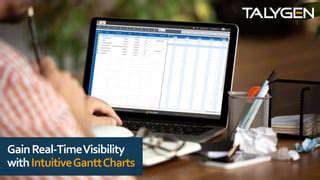
Advanced Tracking Technologies
Tracking technologies play a vital role in enhancing real-time visibility within perishable goods supply chains. Utilizing systems such as RFID (Radio Frequency Identification) and IoT (Internet of Things) devices allows companies to pinpoint the location of goods with high precision. These tools not only improve inventory management but also foster accountability throughout the supply chain.
The integration of GPS technology further optimizes routing and logistics. This capability ensures that refrigerated trucks or containers are monitored continuously, significantly reducing the risk of spoilage during transport. By employing advanced tracking technologies, businesses can respond proactively to any disruptions.
Data Analytics and Predictive Modeling
The advent of big data analytics has transformed how companies perceive supply chain dynamics. By analyzing historical data, businesses can identify trends that may predict future demand or potential bottlenecks. Predictive modeling equips supply chain managers with the foresight to make informed decisions and mitigate risks.
For example, implementing algorithms that assess weather patterns or market trends can refine supply chain operations. This data-driven approach allows businesses to minimize waste and optimize their overall efficiency.
Investing in sophisticated analytics tools also offers a competitive edge, as companies can better understand customer preferences and adjust their strategies accordingly.
Temperature Monitoring Solutions
The integrity of perishable goods heavily relies on proper temperature management during transit. Innovative temperature monitoring solutions provide continuous feedback from sensors placed within containers or vehicles. This technology can automatically alert managers when temperatures deviate beyond acceptable ranges, ensuring that corrective actions are taken swiftly.
The combination of real-time temperature tracking and cloud-based monitoring systems is crucial for preventing spoilage and financial losses. According to industry reports, organizations utilizing these systems have seen a reduction in waste by up to 30%, emphasizing the technology's effectiveness. Implementing these solutions not only safeguards product quality but also builds consumer trust in brands.
Blockchain for Transparency and Security
Blockchain technology has emerged as a game-changer in enhancing the transparency and security of supply chains. By creating immutable records of transactions, businesses can trace the journey of products from origin to consumer seamlessly. This level of transparency is paramount for perishable goods, where every second counts regarding quality.
Moreover, blockchain can facilitate smart contracts, which automatically execute predefined actions when certain conditions are met. For example, if temperature thresholds are exceeded, a smart contract might trigger a reevaluation of the shipment or even reroute it to avoid further loss. The result is a supply chain that is not only efficient but significantly more resilient. Over time, as adoption grows, we can expect blockchain to play an essential role in regulatory compliance and consumer trust.
Integration with Supply Chain Management Systems
The synergy between real-time visibility technologies and Supply Chain Management (SCM) systems is critical for optimizing operations. Effective integration can lead to streamlined processes, improved collaboration, and enhanced responsiveness to market shifts. Companies leveraging API-driven integrations are particularly positioned to capitalize on real-time data insights.
By synthesizing information from various sources, these systems enable better decision-making and resource allocation. For example, an integrated SCM system can instantaneously adjust inventory levels based on real-time sales data, ensuring that stock levels meet consumer demand. This kind of agility is what sets industry leaders apart in today’s fast-paced market.
Challenges and Future Directions
Despite the advancements in technologies driving real-time visibility, challenges remain. High implementation costs and the need for specialized training can deter smaller businesses from adopting these critical systems. Additionally, issues such as data privacy concerns and the interoperability of various technologies can complicate integration efforts.
Moving forward, addressing these challenges will be vital for the widespread adoption of real-time visibility technologies. Collaborations between technology providers, logistics firms, and regulatory agencies could facilitate standardization and support more inclusive industry growth. By fostering an environment of innovation and collaboration, the logistics of perishable goods can become increasingly efficient and sustainable.
Challenges in Achieving Real-Time Visibility
Data Integration Challenges
One of the primary hurdles in achieving real-time visibility is the integration of data from various sources. Throughout the supply chain, information is often siloed across different systems, databases, and platforms. For example, a retailer may utilize one system for inventory management while a shipping company uses a different platform for tracking shipments. As a result, creating a unified view of real-time data becomes complex, requiring sophisticated integration solutions to streamline data flow.
Furthermore, organizations may face compatibility issues when attempting to merge legacy systems with modern IoT devices. A report from the Gartner Group indicates that over 60% of businesses struggle with interoperability issues that hinder real-time data visibility. Choosing the right technology stack and investing in API development can mitigate these challenges.
Maintaining Data Accuracy
Data accuracy is critical for effective real-time visibility. Information that reflects outdated or incorrect statuses can lead to poor decision-making. For perishable goods in particular, where time is of the essence, even a minor error can have significant repercussions, such as spoilage or financial loss. Studies show that over 30% of inventory inaccuracies stem from human error, underscoring the need for automation in data entry and collection.
Technology Adoption Resistance
Organizations looking to enhance their visibility often encounter resistance to new technologies. Employees might feel overwhelmed by the prospect of learning new systems or tools, leading to a reluctance that can stall progress. Research from the Institute for Corporate Productivity shows that nearly 70% of change initiatives fail due to employee pushback. It’s essential to implement robust training programs that not only teach staff about the new technologies, but also highlight their tangible benefits in daily operations.
Managing Supply Chain Complexity
The inherent complexity of global supply chains poses significant challenges in achieving real-time visibility. Supply chains often span multiple countries, involving various regulations, customs requirements, and logistical considerations. When trying to gain visibility, businesses must navigate these complexities while ensuring they remain compliant with local laws. A study by McKinsey reveals that optimizing logistics in multi-country operations can increase supply chain visibility by up to 25%.
Ensuring Data Security and Privacy
With the increasing digitization of supply chains, concerns regarding data security and privacy are paramount. Real-time visibility requires sharing sensitive information across various platforms, exposing businesses to potential data breaches. According to cybersecurity experts, over 43% of cyberattacks target small businesses, which can struggle to implement robust security measures. Therefore, it's critical to invest in strong security protocols and encryption methods to safeguard data integrity.
Additionally, complying with regulations such as GDPR in Europe adds another layer of complexity. Companies must balance the pursuit of real-time visibility with the need to protect consumer privacy, making this an ongoing challenge.
Environmental Conditions Monitoring
For perishable goods, real-time monitoring of environmental conditions such as temperature and humidity is essential to maintain product integrity. However, achieving accurate and continuous monitoring can be challenging due to technological limitations or inconsistent sensor placements. A report by the Food and Drug Administration highlights that temperature deviations can occur in over 50% of shipments, leading to potential spoilage.
To navigate this, businesses should invest in reliable monitoring technologies and establish standardized protocols for inspecting and maintaining equipment. Ensuring that temperature sensors are calibrated and positioned correctly can significantly improve the accuracy of environmental data and help mitigate spoilage risks.
Collaborative Efforts Among Stakeholders
Real-time visibility in supply chains necessitates strong collaboration among various stakeholders, including suppliers, manufacturers, and logistics providers. Each party must share real-time data transparently to create a cohesive view of operations. However, aligning different organizations' goals and systems can be challenging. A survey by the Supply Chain Management Association indicates that 65% of stakeholders cite lack of collaboration as a major barrier to effective data sharing.
Facilitating regular communication and sharing success stories within the network can foster a culture of cooperation. Investments in collaborative platforms that allow real-time updates can enhance relationships and improve overall supply chain transparency.
The Future of Perishable Goods Supply Chains
Emerging Technologies in Supply Chain Management
The landscape of supply chains is being transformed by technologies such as IoT, blockchain, and AI. These innovations provide real-time monitoring of conditions throughout the supply chain. For instance, IoT devices can track temperature and humidity levels, ensuring that perishable goods remain within safe thresholds during transit. According to a report by Deloitte, companies that implement IoT solutions can expect up to a 30% reduction in waste, which is a significant factor in maintaining profitability in perishable goods management.
Blockchain technology also plays a role in enhancing visibility and accountability in supply chains. Through the use of decentralized ledgers, parties involved can trace the movement of goods from origin to destination. This ensures that all stakeholders verify the quality and compliance of perishable items, which is increasingly crucial given heightened consumer demands for transparency and sustainability.
Furthermore, AI facilitates predictive analytics, helping companies forecast demand and optimize inventory levels. It streamlines operations by providing data-driven insights that help in identifying potential disruptions before they occur. As businesses look towards the future, integrating these technologies will play an essential role in enhancing the efficiency of perishable goods supply chains.
Regulatory Compliance and Its Impact
Staying compliant with industry regulations is critical for companies dealing with perishable goods. Regulations often dictate how products should be stored and transported, requiring businesses to maintain meticulous records of temperature and humidity. The Food and Drug Administration (FDA) mandates specific storage conditions for food products in the U.S., and companies must invest in technologies and processes that ensure compliance. Failure to meet these standards can result in heavy fines and damage to a company’s reputation.
In addition to federal regulations, many businesses face state-specific guidelines that can complicate operations. For example, California’s stringent food safety requirements necessitate that businesses remain agile and adaptive in their supply chain management practices. Thus, organizations must continuously educate their staff about regulatory updates while leveraging real-time visibility solutions to maintain compliance.
Customer Expectations and Competitive Advantage
As consumer awareness around food safety and sustainability rises, customers are increasingly expecting real-time visibility into their purchases. They want to know how their food was handled and where it came from. Companies that provide detailed tracking information and maintain transparency about their supply chain practices often enjoy greater customer loyalty and trust. According to a recent survey by Accenture, 67% of consumers are willing to pay more for products that guarantee transparency regarding sourcing and handling.
To maintain a competitive advantage in this evolving marketplace, businesses need to adopt tools that enhance their traceability capabilities. Offering customers access to detailed shipping info and potential freshness notifications could be a game changer. Additionally, businesses should prioritize building relationships with their suppliers to ensure quality control and a seamless supply chain process that meets these consumer demands.
- Meilleures pratiques pour laver votre chien chez vous
- Sécurité des données dans les chaînes d'approvisionnement basées sur la blockchain
- Au-delà des limites humaines : L'avenir de la robotique dans la chaîne logistique
- Robotique pour la Livraison du Dernier Kilomètre : Innovations et Perspectives Futures
- L'avenir des normes d'échange de données de la chaîne d'approvisionnement
- Robotique pour les opérations de cross-docking automatisées
- Intégration API pour un flux de données de chaîne d'approvisionnement fluide
- Optimisation des itinéraires basée sur l'IA : Réduction des coûts et des émissions
- Logistique Personnalisée : IA Générative pour des Expériences de Livraison Personnalisées
- Visibilité de la chaîne d'approvisionnement pour les retours et les rappels